
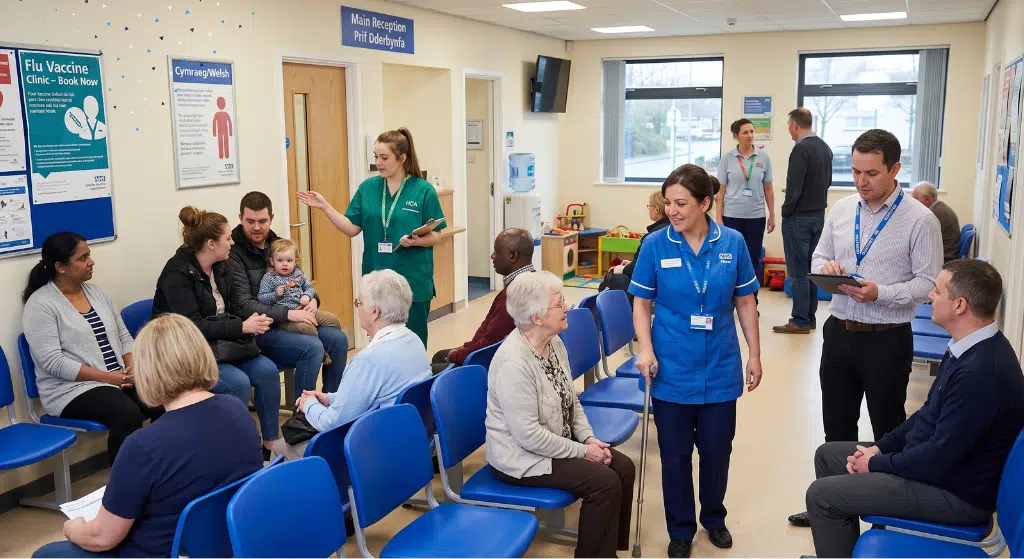
The latest statistics from the Royal College of General Practitioners (RCGP) highlight a stark operational reality: the average number of registered patients per full-time equivalent (FTE) GP has risen to a staggering 2,214. This represents an unprecedented workload increase of nearly 15% since 2015, leaving practice managers and clinical directors with an unsustainable clinical burden.
Key Takeaways
- Escalating Workload Pressures: The average GP now manages over 2,200 patients (and this number routinely climbs to over 2,450 in highly deprived regions), leading to unmanageable clinical lists.
- Avoidable Bureaucracy: RCGP research shows that GPs lose up to 30 minutes a day to administrative work and routine prescription tasks that do not require their specialist diagnostic expertise (equivalent to a loss of £410 per GP per day in system inefficiencies).
- The Managed Solution: Transitioning routine clinical tasks to an external managed team can instantly restore practice capacity without adding any recruitment or supervisory overheads.
What caused the rise and what is the effect?
The general practice workforce is operating at a critical operational deficit due to a shrinking number of fully qualified full-time equivalent (FTE) GPs alongside a rapidly growing, ageing patient population. Over the last decade, general practice registered patient lists in England have increased by over 6.9 million individuals, whereas the corresponding FTE GP clinical workforce has declined by several hundred doctors.
According to RCGP tracking data, this imbalance has pushed existing clinical teams past safe working limits. Practice list sizes have risen rapidly, meaning that fewer general practitioners are expected to deliver a vastly higher volume of consultations (while simultaneously acting as a safety net for wider system inefficiencies in secondary care). This has resulted in systemic clinical burnout, early retirements, and a looming recruitment crisis.
How Does an Average of 2,214 Patients per GP Impact Primary Care Delivery?
An average ratio of 2,214 patients per full-time equivalent GP significantly inflates clinical wait times, increases administrative burdens, and compromises clinician safety by forcing GPs to manage bloated consulting lists under tight, ten-minute time constraints.
Furthermore, as list sizes expand, the volume of associated administrative tasks grows exponentially. Research highlighted in the RCGP report on hidden workload reveals that GPs routinely spend up to a quarter of their working hours on clinically peripheral tasks, including repeat prescription checking, discharge letter processing, and medicine reconciliation. When clinicians are buried under this mountain of daily paperwork (often working hours past their contracts just to keep their heads above water), their capacity to deliver direct, complex patient care is severely compromised.
Has recruiting GPs under the ARRS resolved the primary care workforce deficit?
Recruiting general practitioners under the Additional Roles Reimbursement Scheme (ARRS) has provided localised capacity relief but has not yet resolved the systemic workforce deficit due to strict eligibility constraints in its first year and finite primary care funding envelopes.
During the 2025/26 contract year, ARRS was updated for the first time to permit the recruitment of general practitioners, but this pathway was strictly limited to recently qualified GPs (specifically those within two years of completing their Certificate of Completion of Training (CCT)). While this targeted measure successfully supported around 3,000 newly qualified doctors, it did not allow practices to recruit experienced GPs under ARRS to absorb complex diagnostic caseloads, leaving clinical leadership and supervision pressures largely unchanged.
Under the updated GP contract, NHS England has expanded this scope by removing the CCT time limit, allowing PCNs to recruit experienced GPs through ARRS at standard salaried rates (reimbursed up to £118,759 plus on-costs, totalling up to £152,900 per WTE). While this provides greater operational flexibility, it creates a severe financial challenge for PCN leads: dedicating up to £152,900 of a finite ARRS allocation to a single salaried GP restricts the network’s capacity to recruit other vital multi-disciplinary roles. By contrast, deploying an external, remote managed pharmacy service under ARRS funding remains a far more cost-effective way to release clinical desk capacity at scale.
How Can a Remote Managed Pharmacy Service Relieve the GP Burden?
The solution to the GP workload burden involves integrating a fully managed pharmacy service to systematically divert routine medicine-related tasks away from general practitioners. By utilising a qualified remote clinical pharmacist workforce, practices can safely delegate their routine clinical workflow, from medication reconciliation to repeat prescription management.
Our model is built to ensure a “Zero Burden Promise” for primary care leaders. Under our structure, senior Medacy pharmacists handle 100% of the internal clinical supervision and governance (requiring zero supervision or training from your GP partners). A Primary Care Network (PCN) can deploy these remote teams using ARRS funding to establish sustainable, long-term capacity.
Further to the more day-to-day clinical operations, Medacy pharmacists can execute high-impact Structured Medication Review (SMR) programmes, provide clinical oversight to existing pharmacists and oversee targeted chronic disease management.
If your practice or PCN is ready to transition to a more stable, CQC-registered workforce model, please contact us to speak to the team.
